
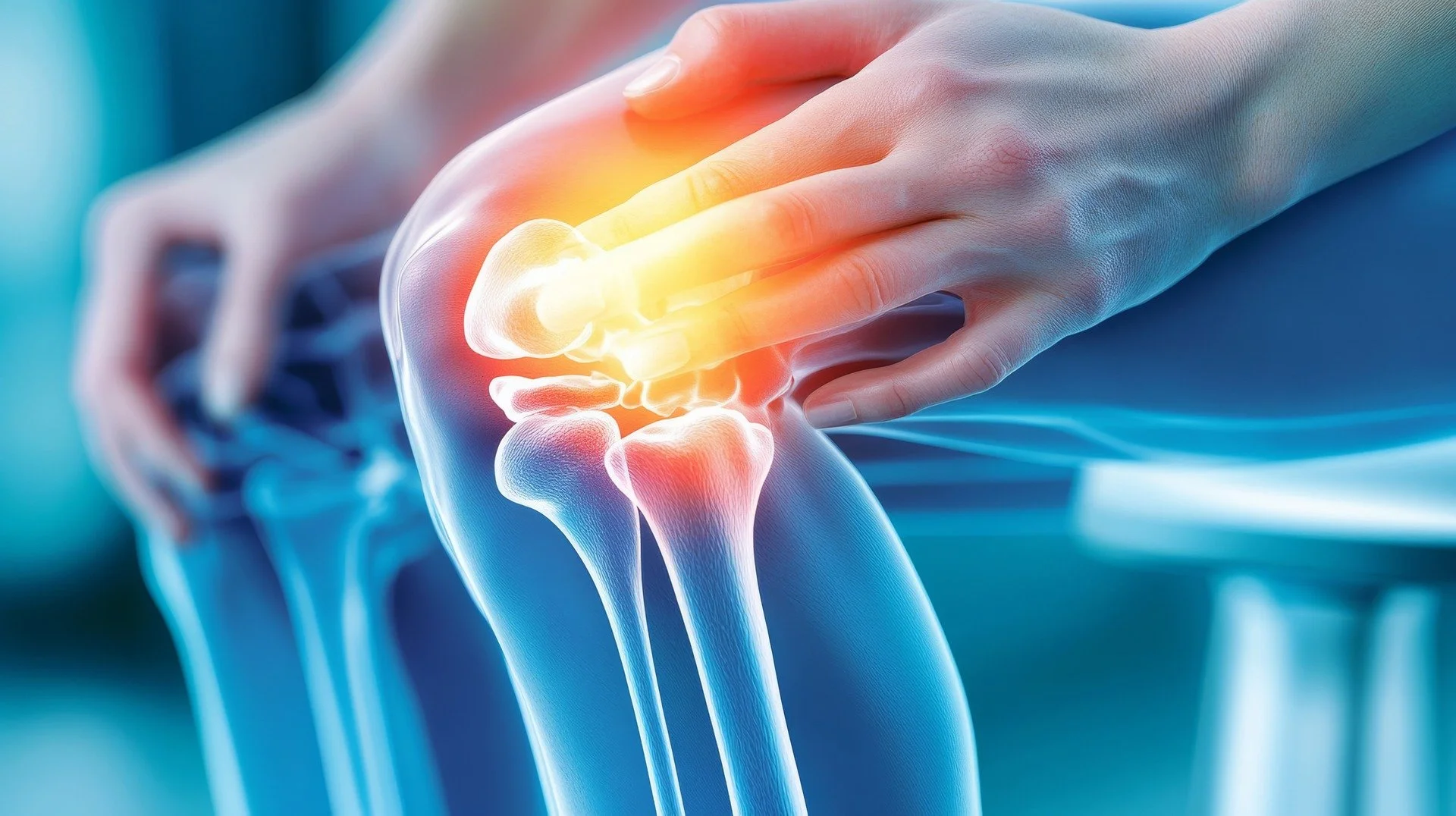
Joint pain is a common health concern that can affect people of different age groups. It may develop gradually or appear suddenly after an injury, physical activity, or an underlying medical condition. Pain in the knees, shoulders, hips, wrists, fingers, and ankles can make everyday activities such as walking, climbing stairs, exercising, or even getting out of bed uncomfortable.
Although occasional joint discomfort may improve with rest and appropriate care, persistent pain should not be ignored. Understanding the possible causes and available treatments can help people take better care of their joint health.
This complete health tip guide explains common reasons for joint pain, treatment options, and simple lifestyle habits that may help maintain healthy joints.
Joints connect two or more bones and allow the body to move. They are supported by cartilage, muscles, ligaments, and other tissues. When these structures become injured, inflamed, or damaged, pain and stiffness may develop.
Some common causes include:
Age, previous injuries, excess body weight, repetitive movements, and certain medical conditions may also contribute to joint problems. The actual cause can vary from person to person, so a proper medical assessment is important.
Joint pain does not always feel the same. Some people experience mild discomfort after physical activity, while others may have continuous pain that affects their daily routine.
Common symptoms include:
It is important to pay attention to how long the symptoms last and whether they are becoming worse.
Consult a healthcare professional if joint pain keeps returning, affects sleep, limits normal activities, or does not improve with appropriate home care.
Seek urgent medical attention if a joint suddenly becomes very painful, hot, and swollen, particularly if you also have a fever or feel unwell. Severe pain after an injury, inability to put weight on a joint, or visible deformity also requires urgent assessment. These symptoms may indicate a condition that needs prompt treatment.
Treatment depends on the underlying cause, severity of symptoms, and the joints involved. There is no single treatment that works for every type of joint pain. A doctor may recommend one or more approaches after evaluating the condition.
Common treatment options include:
Early diagnosis and appropriate treatment can help manage symptoms and maintain mobility.
Taking care of your joints does not always require complicated changes. Simple daily habits can support mobility, strength, and overall physical well-being.
Consider including these practices in your routine:
People with existing joint conditions should consult a healthcare professional before starting a new exercise routine.
Joint pain may sometimes be associated with temporary strain, but it can also be an early sign of an underlying medical condition. Ignoring persistent symptoms may delay diagnosis and appropriate treatment.
A healthcare professional may review your medical history, examine the affected joints, and recommend tests such as blood investigations or imaging when necessary. These assessments help identify the possible cause and guide treatment decisions.
Regular health check-ups, appropriate physical activity, and awareness of early symptoms can help people take a more proactive approach to joint health.
At Complete Health Tip, we believe that understanding common health concerns is an important step towards making informed lifestyle and healthcare decisions. Learning about joint pain, recognizing warning signs, and seeking professional advice when needed can help individuals manage their health more confidently.
Joint pain can affect mobility, comfort, and everyday activities, but understanding its causes and available treatments can make a meaningful difference. Conditions such as osteoarthritis, rheumatoid arthritis, gout, and joint injuries require different approaches to care.
Maintaining a healthy weight, staying active, eating a balanced diet, and seeking timely medical advice can support better joint health. Remember, persistent or severe joint pain should always be evaluated by a qualified healthcare professional rather than treated through self-diagnosis.
Follow Complete Health Tip for more informative health and wellness guidance to help you make healthier everyday choices.
Disclaimer: This article is intended for general health education and does not replace professional medical advice, diagnosis, or treatment.