
Jan 17
7:21 am
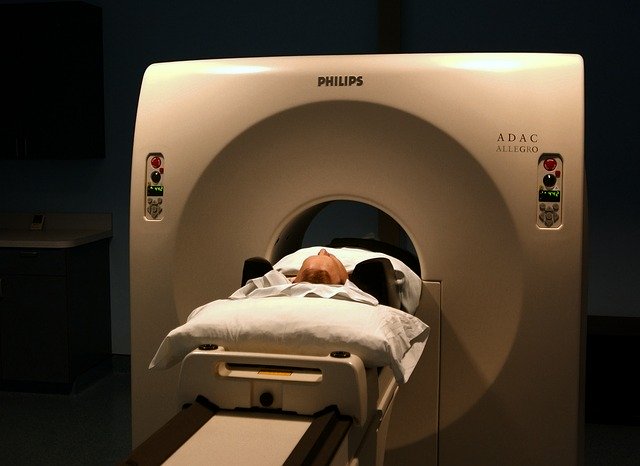
What is Nuclear Medicine? Nuclear medicine is a medical discipline that performs radioactive materials to diagnose and treat disease. Scintigraphy, the utility of radionuclides to supply images of the body’s organs, differs from radiography (x-ray techniques) therein it studies the physiologic and metabolic developments of the body. In isotopic imaging, the source of radiation … Nuclear Medicine
7:18 am
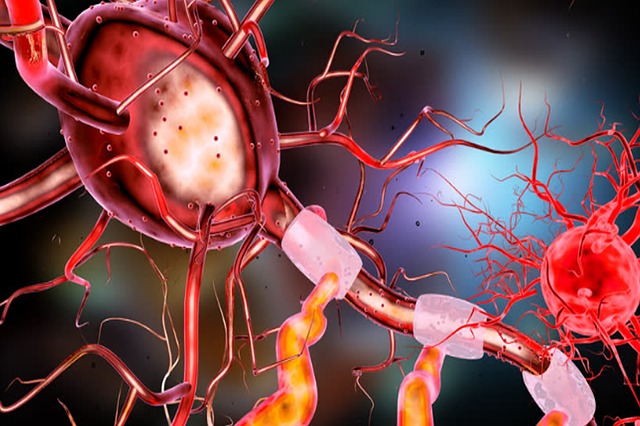
What is Neurology? A neurologist is a clinical medical doctor with specialized training in diagnosing, treating and managing disorders of the brain and nervous system consisting of, but not limited to Alzheimer’s disease, amyotrophic lateral sclerosis (ALS), concussion, epilepsy, migraine, many sclerosis, Parkinson’s disease and stroke. A child or paediatric, neurologist concentrates on the … Neurology

Jan 13
12:27 pm
Who is an Internal Physician? An internist is a physician or a doctor who treats diseases of the heart, blood, kidneys, joints, digestive, respiratory and vascular systems of a young, adult and elderly patients. These physicians or doctors give long-term and complete care in hospitals and offices. Because they undertake key care training on internal … Internal Medicine

12:18 pm
What does a Family Medical Specialist do? While several medical specialities centre around a specific function of the body or particular organ, family medicine focuses on integrated care and treating the affected patient as a whole. Physicians or doctors who studied in family medicine treat patients of all ages. They ‘re extensively trained to give … Family Medicine